
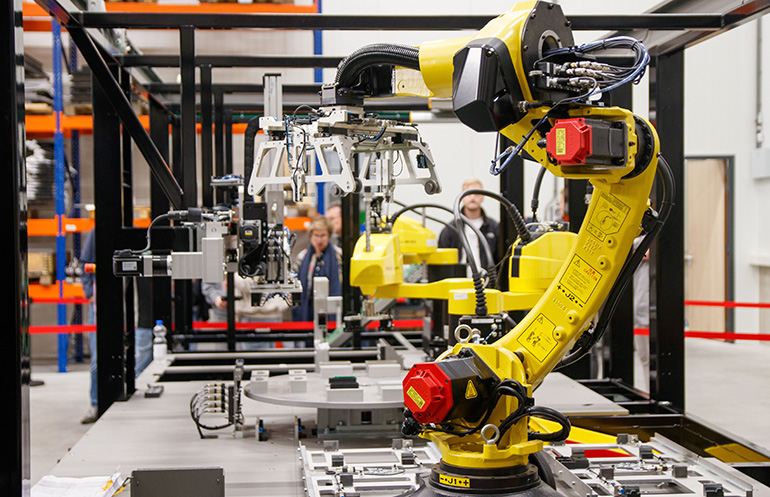
Robot data combined with predictive analytics can improve uptime and productivity, says ATS. Source: Pexels, Advanced Technology Services
Factories are adding more robots because they can handle repetitive, precise, and physically demanding work at high speed. As robotics take on a greater share of production, keeping those systems available becomes more important.
The International Federation of Robotics (IFR) reported about 5 million industrial robots in operation worldwide in 2025, up 11% from the prior year.
An unexpected robot failure can affect more than one machine. It can interrupt a cell, slow a line, and create delays that spread through the plant. As manufacturers rely more heavily on robotic systems, the need to identify developing problems before they force equipment offline becomes increasingly valuable.
Why robotic systems raise the support stakes
Traditional preventive maintenance follows a schedule based on time, usage, or manufacturer recommendations. That approach still has value, but it may not reveal what’s happening inside a robot between planned service intervals. A joint, reducer, motor, or controller can begin to show signs of wear while the robot is still operating.
Predictive maintenance uses equipment data to identify changes that may point to developing faults. NIST describes condition monitoring as the detection, diagnosis or prediction of faults and failures in industrial equipment.
For robotics, that means maintenance decisions can be based more on actual equipment condition than on a calendar alone.
 Submit your innovation now!
What predictive maintenance can monitor
Industrial automation and related systems generate many types of operating data. Useful signals depend on the robot, application, and failure mode. Common examples include vibration, temperature, and motor current. Torque, controller alarms, cycle data, and maintenance history can also provide useful context.
The goal isn’t to collect every available data point. Teams need data that can reveal changes tied to the way a robot operates. A rise in vibration may point to a mechanical issue, while changes in motor current or torque may indicate added resistance or abnormal loading. Temperature variations can also signal that a component isn’t operating as expected.
Changes in an end effector, sensor, conveyor, or surrounding process can affect robot performance. Looking at the robot in the context of a larger workcell can help teams separate normal operating variation from a change that may deserve maintenance attention. That distinction is especially important if the same robot handles different loads, speeds, or motion paths.
This is where reliability monitoring can help. Sensors and connected systems can gather machine data, while monitoring and analytics tools help identify changes in equipment behavior. When a pattern changes, maintenance teams can then investigate the cause before a failure forces the robot offline.
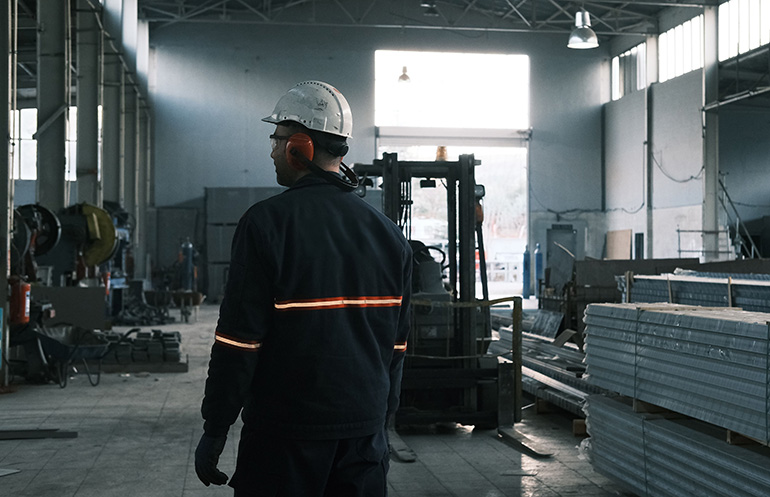
Changes in equipment performance, plus environmental or process data, can provide warning of problems, says ATI. Source: Pexels, Advanced Technology Services
Turn robot data into maintenance decisions
Collecting data is only the first step. The information has to support a practical maintenance decision. A useful alert should help a team determine what needs attention, how urgent the issue is, and when the robot can be inspected without causing an unnecessary production interruption.
This becomes more important as factories operate larger fleets of robots. Maintenance teams may not have time to inspect every asset at the same frequency. Predictive maintenance can help direct attention toward equipment showing signs of change while allowing healthy assets to remain in service.
Earlier warnings can also improve parts planning. If a component shows signs of deterioration, teams may have more time to confirm the problem, locate the correct replacement part, and schedule work during a planned maintenance window.
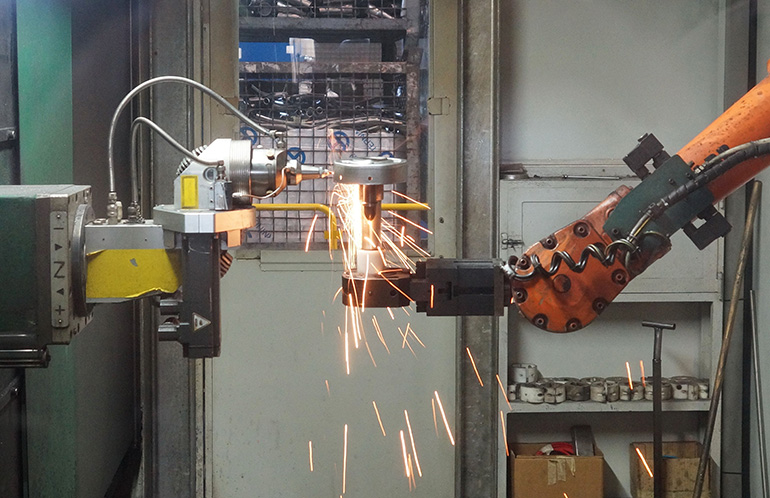
Earlier warnings can reduce downtime and improve productivity, says ATS. Source: Pexels, Advanced Technology Services
Getting ahead on productivity, asset life, and safety
The value of predictive maintenance goes beyond preventing unplanned stops. Finding issues early on can limit secondary damage and help manufacturers get more useful life from robotic assets. Planned repairs can also reduce the disruption that occurs when technicians must troubleshoot a failed robot during production.
A planned maintenance window gives teams more control over when equipment is taken offline and serviced. That can support safer maintenance practices because technicians can prepare for the work instead of responding to an unexpected failure under production pressure.
As more factories rely heavily on robotics, maintenance strategies need to account for how those systems perform throughout their service life. Predictive maintenance gives manufacturers a way to use equipment data, condition signals and analytics to identify developing issues earlier. When that information leads to timely inspection and repair, manufacturers can reduce unplanned downtime, protect robotic assets and keep production schedules more stable.
 About the author
Rob Carbone is vice president of operations at Advanced Technology Services. He is responsible for leading initiatives that help manufacturers improve equipment reliability, maintenance excellence, and customer success.
The post Why predictive maintenance matters more as factories add robots appeared first on The Robot Report.